




With Australian students heading back to school, National First Aid Courses (NFAC) is reminding parents and carers how important it is to stay up to date with first aid, from managing allergies to handling common playground bumps and knowing when to act fast.
National First Aid Courses director, Samuel Bohr, said that with schools returning to full activity, minor injuries are inevitable. However, many incidents can be managed, or even prevented, when parents, carers and educators understand basic first aid principles.
“Children are naturally active, curious and energetic. Scrapes, bumps and allergic reactions are among the most common school-related incidents we see. The right knowledge can make a critical difference in those first few minutes.”
Samuel Bohr
Allergy awareness at school

Food allergies are a growing concern in Australian schools, with an increasing number of children owning EpiPens or other adrenaline auto-injectors. As Mr Bohr says, “Anaphylaxis is a medical emergency. Prompt recognition and action saves lives.”
Here are the EpiPen and allergy safety tips parents should know:
- Ensure your child’s EpiPen is in date, clearly labelled and stored according to school policy
- Teach children (age-appropriately) to recognise early symptoms such as itching, swelling or difficulty breathing
- Make sure teachers and carers know where the EpiPen is kept and how to use it
- Review your child’s ASCIA Action Plan with the school at the start of each year
Remember: adrenaline is safe. When in doubt, use the EpiPen and call 000 immediately.
Common school injuries and how to respond
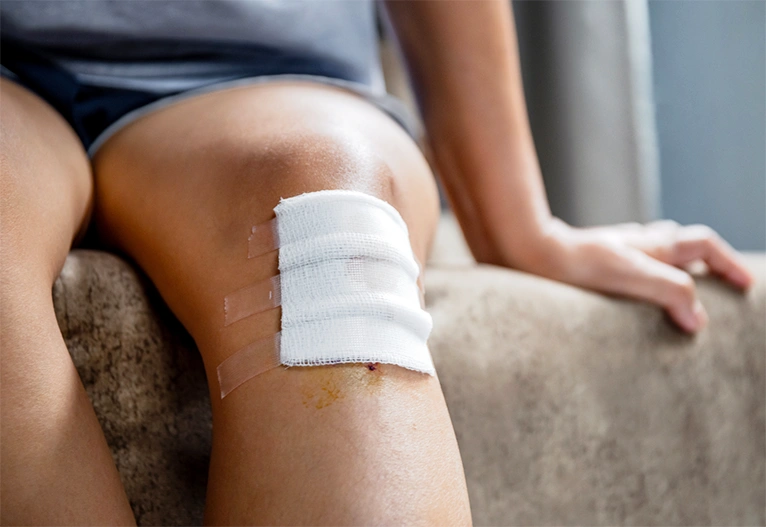
While most school injuries that happen at school are minor, knowing the correct response can prevent complications.
Some of the most common back-to-school injuries include:
Cuts and grazes
- Clean the wound with running water
- Apply pressure to stop bleeding
- Cover with a clean dressing
Sprains and strains
- Use the RICER principle: Rest, Ice, Compression, Elevation, Referral
- Avoid returning to play too quickly
Head knocks
- Monitor for symptoms such as vomiting, confusion, headache or drowsiness
- Seek medical advice if symptoms worsen or persist
Nosebleeds
- Sit the child upright and lean them forward
- Pinch the soft part of the nose for 10 minutes
- Do not tilt the head back
Why First Aid training matters for parents too
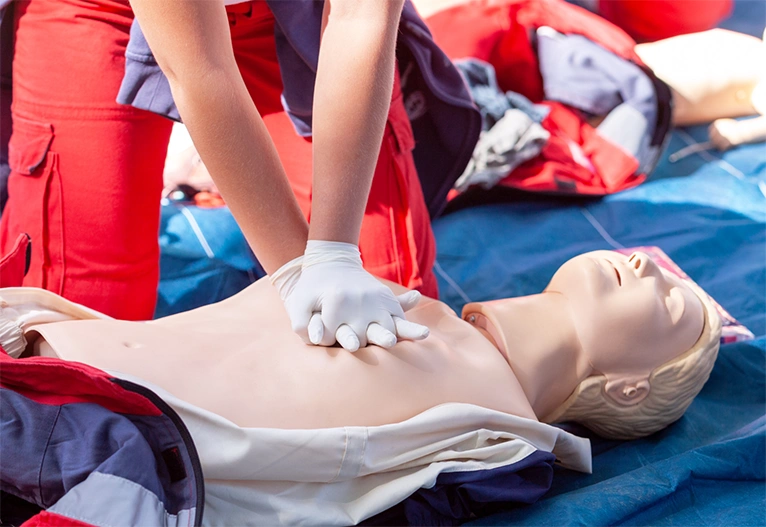
While schools are required to have trained staff, experts say parents benefit greatly from formal first aid education.
“Accidents don’t just happen at school. They happen at home, at sports and on weekends. A nationally recognised first aid course gives parents the confidence to respond calmly and correctly, wherever they are.”
Samuel Bohr
National First Aid Courses is a leading Australian provider of nationally recognised first aid training, delivering practical, up-to-date education for individuals, workplaces, schools and community groups. Courses are delivered by experienced trainers and aligned with current Australian Resuscitation Council (ARC) and ASCIA guidelines.
National First Aid Courses delivers accredited first aid training across Australia, including CPR, anaphylaxis management, asthma first aid and child-focused courses designed for parents, educators and carers. Find a course near you.
The information in this article was provided by National First Aid Courses.
Which areas of first aid would you like to learn more about? Leave a comment below.
-

-
-
JH1981, WA
- 26 Feb 2026
👍
0 Likes
-

-
-
BH516846, NSW
- 17 Feb 2026
👍
0 Likes
-

-
-
BH516706, NSW
- 11 Feb 2026
👍
0 Likes
-

-
-
ChiWren, QLD
- 07 Feb 2026
👍
0 Likes
-

-
-
BH516504, VIC
- 29 Jan 2026
👍
0 Likes
-

-
-
BH516524, TAS
- 27 Jan 2026
👍
0 Likes
-

-
-
JH1981, WA
- 27 Jan 2026
👍
0 Likes
Post a commentTo post a review/comment please join us or login so we can allocate your points.